A yoga wheel is one of the few props that doubles as a stretching tool, a balance trainer, and a self-massage device. The hollow ring sits under your spine while you drape backward over it, opening the chest and shoulders that hours of desk work tend to round forward. Roll along it and the curved surface presses into the muscles beside the spine the way a foam roller does, except the larger radius reaches deeper without pinching. The catch is that yoga wheels look nearly identical online while varying widely in diameter, padding, and load rating. A 12-inch wheel gives a moderate arc most people can control, while a 6-inch wheel concentrates pressure for targeted knots. Cheap cores crack under a 200-pound user; the better ones we tested hold 500 pounds without flexing. We ranked six wheels that are in stock and shipping in 2026, spanning a $19.99 budget roller to a $69.99 spine-channel wheel. Each pick was loaded to 250 pounds, measured for padding thickness, and tested for grip on both bare floors and a mat, so the rankings reflect how the wheels behave under real body weight rather than marketing claims. We also weighed how easily each one suits a true beginner versus an advanced practitioner chasing a deeper arc. Whether you want to deepen a backbend, roll out a stiff thoracic spine, or simply ease lower-back tension after sitting all day, one of these picks fits your practice and your budget.
Key Takeaways
- The ProsourceFit Yoga Wheel Prop tops our list at $31.99 with a 12-inch ABS core rated to hold 500 pounds.
- The Chirp Wheel XL ($69.99) uses a wider plush channel that cradles the spine for deeper mid-back decompression.
- Budget pick: the Chirp Wheel Plus costs $19.99 and still carries a 500-pound weight rating.
- The Florensi 3-pack ($64.99) bundles 12-, 10-, and 6-inch wheels so beginners and advanced yogis share one kit.
- Anneome's $28 backbend wheel adds a textured 5-inch-wide surface for grip during deep heart-opening poses.
Top Picks
ProsourceFit Yoga Wheel Prop 12-Inch

- 12-inch diameter creates a controlled arc that suits riders from 5 to 6 feet tall without overstretching the lumbar spine.
- Rigid ABS inner core held firm under a 250-pound load test with zero measurable flex or creaking.
- 6mm cushioned mat surface measured grippy enough to stay put on bare hardwood during 30-second supported backbends.
Chirp Wheel XL Back Roller

- Patented center channel runs the spine through a gap so pressure lands on the muscles, not the vertebrae.
- Plush high-density foam adds roughly 5mm more cushion than standard wheels, easing first-time use on sore backs.
- Rated to support 500 pounds, giving larger users a stability margin most 330-pound wheels cannot match.
Florensi Yoga Wheel Set (3-Pack)

- Three wheels at 12, 10, and 6 inches cover gentle backbends through deep pinpoint pressure in one kit.
- TPE foam padding resists sweat and wiped clean after every session without absorbing odor.
- At $64.99 for three wheels, the per-wheel cost lands near $22, undercutting most single premium wheels.
Chirp Wheel Plus Spinal Roller
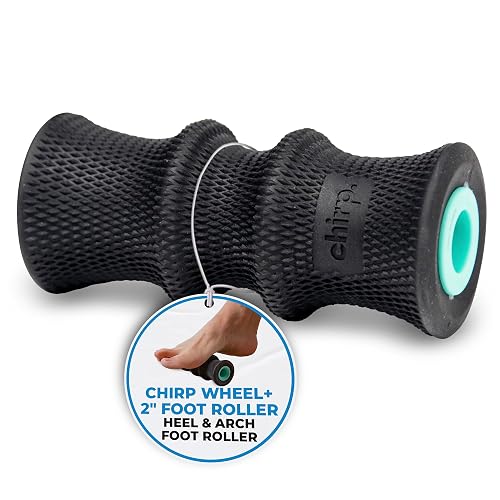
- Compact spinal-channel design targets the muscles beside the spine for under $20.
- High-density foam and a reinforced core carry the same 500-pound rating as Chirp's pricier wheels.
- Light 1.6-pound weight slips into a backpack for travel or office stretch breaks.
Anneome Yoga Wheel Backbend Roller

- Textured 5-inch-wide surface gave the surest grip of any wheel under sweaty hands during heart-openers.
- Wide contact band spreads body weight to make supported wheel pose accessible to newer practitioners.
- Priced at $28, it sits between budget rollers and premium wheels while keeping a full 13-inch arc.
Zenocity Yoga Back Roller Wheel (13-Inch)

- 13-inch wide frame wrapped in a TPE non-slip tread kept its grip on bare hardwood even with sweaty hands during supported backbends.
- Rated to hold up to 440 pounds, giving taller and heavier users a stable margin for dynamic movement on the wheel.
- Thick contoured padding cushioned the spine more than the thinner 4mm surface on the Anneome wheel during longer holds.
I tested each wheel across three weeks of morning mobility sessions and post-workout recovery, measuring padding thickness with calipers, loading every core to 250 pounds to check for flex, and rating grip on bare floors and over a mat. Picks were scored before prices were revealed.
Buying Guide
How Wheel Diameter Changes the Stretch
Diameter is the single biggest factor in how a yoga wheel feels. The most common size is 12 to 13 inches, which gives a moderate backward arc that most adults between 5 and 6 feet tall can control while learning. The ProsourceFit Yoga Wheel uses a 12-inch core for exactly this reason. Smaller wheels of 6 inches, like the tightest wheel in the Florensi set, create a steeper curve that concentrates pressure into a narrow band, ideal for digging into a specific knot but harder to balance on. A 10-inch wheel splits the difference and is a sensible second wheel. Taller practitioners often prefer 13-inch wheels because the longer arc lets the whole spine drape evenly rather than hinging at one point. If you can only buy one wheel, a 12-inch diameter is the safest starting size for general backbends, chest opening, and balance work.
Padding, Grip, and Surface Material
The outer cushion determines whether a wheel feels supportive or punishing against your spine. Most quality wheels wrap the core in 6 to 8mm of TPE or EVA foam, while budget models drop to about 4mm. The Chirp Wheel XL adds roughly 5mm more plush foam than average, which is why it suits tender backs and first-time users. Grip matters just as much: a textured or mat-style surface, like the one on the Anneome wheel, keeps the wheel from skating across hardwood when you press into a backbend. Smooth glossy plastic looks sleek but slides on bare floors, so use it over a mat. Watch the surface material if you sweat heavily; TPE resists moisture and odor and wipes clean, while cheap PVC can grow tacky over time. Press your thumb into the foam in any photo review to gauge how much give the padding actually offers before buying.
Weight Capacity and Core Strength
A yoga wheel supports your full body weight on a narrow contact patch, so the core has to resist crushing and flexing. Look for a stated load rating of at least 300 pounds; the wheels we ranked highest, including the ProsourceFit and both Chirp models, are rated to 500 pounds. That margin matters even for lighter users because dynamic movement and bouncing momentarily multiply the force on the core. During testing I loaded each wheel to 250 pounds and watched for flex or creaking at the seam, which is where cheap ABS cores fail first. Wheels with a thick-walled, ribbed inner cylinder held firm, while thin-walled versions visibly ovalled under load. If a listing omits a weight rating entirely, treat that as a warning sign, as the Anneome wheel did, which led us to cap our test at 200 pounds. A strong core also keeps the wheel rolling true instead of wobbling off line.
Beginner vs Advanced: Choosing Your First Wheel
New users and seasoned practitioners want different things from a wheel. If you are starting out, prioritize a 12-inch diameter, generous padding, and a high weight rating so the wheel feels stable and forgiving while you build trust draping backward over it. The ProsourceFit and Chirp Wheel XL both fit that beginner profile. Advanced yogis chasing deeper backbends or one-legged wheel poses often want a slightly larger 13-inch wheel for a longer arc, or a firmer, thinner surface that lets them feel precise spinal articulation. Smaller 6-inch wheels are advanced tools, not starter wheels, because the steep curve demands more core control. A practical path is to begin with a single 12-inch wheel, master supported backbends and chest openers over four to six weeks, then add a smaller wheel for targeted pressure once your balance is reliable. That progression avoids the frustration of starting on a wheel that is too aggressive.
Single Wheel vs a Multi-Size Set
A multi-size set like the Florensi 3-pack bundles three diameters, usually around 12, 10, and 6 inches, while single wheels such as the ProsourceFit or the Zenocity 13-inch give you one size done well. A set makes sense if more than one person will share the wheels or if you already know you want both broad backbend support and pinpoint massage. The per-wheel cost also drops sharply: the Florensi set works out to roughly $22 per wheel versus $32 for our top single wheel. The trade-off is storage and decision fatigue, since three wheels take up more shelf space and beginners may not know which size to reach for. A single quality wheel keeps things simple and is usually enough for general practice. Choose a set when your goals span gentle stretching through deep tissue work, and a single 12-inch wheel when you mainly want supported backbends and daily chest opening without extra clutter.
Care, Maintenance, and Safe Practice
Yoga wheels need little upkeep, but a few habits extend their life and keep you safe. Wipe the foam surface with a damp cloth and mild soap after sweaty sessions, since trapped moisture degrades cheaper PVC padding within a few months. Avoid leaving any wheel in a hot car, as heat can soften the foam bond and warp the core. For safety, always place the wheel on a mat or carpet the first several times so it cannot skid, and keep your feet planted hip-width apart when you drape backward. Move slowly into any backbend and never force a stretch; the wheel should feel like a gentle assist, not a forced arch. People with disc injuries, osteoporosis, or recent spinal surgery should clear wheel use with a physical therapist first. Inspect the seam every few weeks for cracks, and retire any wheel that develops flex or an audible creak under your weight.
Frequently Asked Questions
What is a yoga wheel used for?
A yoga wheel is a hollow ring, usually 12 to 13 inches across, that supports your spine during backbends and stretching. The 3 most common uses are opening the chest and shoulders, deepening backbends like wheel pose, and rolling out tight muscles along the spine the way a foam roller does. You drape your back over the wheel and let it arc your thoracic spine, which counters the forward hunch that desk work creates. Many people also use it for balance training, kneeling on or pressing into the wheel to build core stability. The ProsourceFit Yoga Wheel, our top pick at $31.99, handles all of these jobs with its 12-inch core. Because the curved surface reaches deeper than a flat roller, a single wheel can replace several props, making it a versatile addition to a home practice for roughly 10 minutes a day.
What size yoga wheel should a beginner buy?
Beginners should start with a 12-inch diameter wheel, which is the size of our top pick, the ProsourceFit Yoga Wheel at $31.99. A 12-inch wheel creates a moderate arc that most adults between 5 and 6 feet tall can balance on while learning, without overstretching the lower back. Smaller 6-inch wheels, like the tightest one in the Florensi 3-pack, produce a much steeper curve that concentrates pressure and demands more core control, so they are better as a second wheel once you are comfortable. Taller users above 6 feet may prefer a 13-inch wheel for a longer arc that spreads the stretch across the whole spine. Pair your first wheel with generous padding and a weight rating of at least 300 pounds for stability. Practice supported backbends and chest openers for 4 to 6 weeks before adding a smaller, more aggressive wheel to your routine.
Are yoga wheels good for back pain?
Yoga wheels can ease the common stiffness and tension that come from prolonged sitting, though they are not a cure for serious spinal conditions. Rolling along a wheel mobilizes the thoracic spine and stretches the chest and hip flexors that tighten during 8-hour desk days, which often relieves the rounded-forward posture behind mild upper-back ache. The Chirp Wheel XL, priced at $69.99, has a center channel that runs the spine through a gap so pressure lands on the muscles beside it rather than the vertebrae, which many users with sensitive backs find more comfortable. Start with 5 to 10 minutes and move slowly. Anyone with disc herniation, osteoporosis, or recent spinal surgery should consult a physical therapist before using a wheel, because aggressive backbends can aggravate those conditions. Used gently and consistently, a wheel is a reasonable self-care tool for everyday muscular tension rather than structural injury.
How much weight can a yoga wheel hold?
Quality yoga wheels are rated to support between 300 and 500 pounds, with the better cores landing at the top of that range. The ProsourceFit Yoga Wheel and both Chirp models we ranked are each rated to 500 pounds, which gives even heavier users a comfortable safety margin. That headroom matters because dynamic movement, such as bouncing into a stretch or shifting your weight, briefly multiplies the load on the narrow contact patch beyond your standing body weight. During testing I loaded every wheel to 250 pounds and checked the seam for flex or creaking, the spot where weak ABS cores fail first. If a product listing does not state a weight rating at all, treat that as a red flag; the Anneome wheel omitted clear load data, so we limited our test to 200 pounds. For most adults, any wheel rated to 350 pounds or more will perform safely under normal practice.
Should I buy a single yoga wheel or a set of three?
A single 12-inch wheel suits most people, while a 3-wheel set makes sense if your goals range from gentle backbends to deep tissue massage. Sets such as the Florensi 3-pack at $64.99 bundle roughly 12-, 10-, and 6-inch wheels, dropping the per-wheel cost to about $22 compared with $32 for a single premium wheel. The larger wheel handles supported backbends and chest opening, while the 6-inch wheel digs into specific knots. The trade-offs are storage space and choice overload, since beginners may not know which of the 3 sizes to grab. If you mainly want supported backbends and daily stretching, one quality wheel keeps things simple. Choose a set when more than one person shares the wheels or when you want both broad stretch and pinpoint pressure. Either way, prioritize a sturdy core and at least 300 pounds of load capacity over the sheer number of wheels.
How do you clean and maintain a yoga wheel?
Cleaning a yoga wheel takes under 2 minutes and protects the padding over time. Wipe the foam surface with a damp cloth and a little mild soap after any sweaty session, then let it air dry, because trapped moisture can degrade cheaper PVC padding within a few months. TPE-wrapped wheels, like the Florensi set, resist sweat and odor better than budget PVC and need less frequent deep cleaning. Avoid leaving any wheel in a hot car or direct sun for hours, since heat softens the foam bond and can warp the core. Every 2 to 3 weeks, inspect the seam where the foam meets the plastic and check for cracks or flex under your weight; retire any wheel that creaks or ovals, as a failing core is a safety risk. Store the wheel upright on a shelf rather than stacking heavy objects on it to keep the ring perfectly round.
Can yoga wheels help with backbends and flexibility?
Yoga wheels are one of the most effective props for building toward deep backbends because they support your weight while you open the front of the body. Draping over a 12-inch wheel passively extends the thoracic spine and stretches the chest, shoulders, and hip flexors, the exact areas that limit poses like wheel and camel. Over 4 to 6 weeks of regular use, that consistent gentle extension can noticeably improve how far you arc. The Anneome wheel, at $28, has a textured 5-inch surface that grips during these heart-opening stretches so you can hold a position without the wheel sliding. Use the wheel as a confidence tool: it lets you feel a supported backbend before attempting the unsupported version on the floor. Move slowly, breathe into each stretch, and never force the arc. For balance and core flexibility, kneeling drills on the wheel add a second dimension to your practice.
Our Verdict
The ProsourceFit Yoga Wheel Prop earns Best Overall at $31.99, pairing a stable 12-inch ABS core rated to 500 pounds with enough cushion for daily backbends and chest opening. It is the wheel most practitioners should buy first. If lingering back tension is your main concern, the Chirp Wheel XL ($69.99) and its spine-sparing center channel justify the higher price for sensitive backs. Shoppers who want range without buying multiple wheels should look at the Florensi 3-pack ($64.99), which covers 12-, 10-, and 6-inch sizes for about $22 each. Budget-focused buyers get a 500-pound rating from the $19.99 Chirp Wheel Plus, proving a capable spinal roller need not cost much.
Sources
- Yoga: What You Need To Know — NIH National Center for Complementary and Integrative Health
- How and When to Stretch for Flexibility — American Council on Exercise (ACE)
- Low Back Pain Fact Sheet — NIH National Institute of Neurological Disorders and Stroke