A GPS pet tracker answers one question a microchip cannot: where is your animal right now. Unlike a chip that only reads out at a shelter scanner, or a Bluetooth tag that pings within about 30 feet, a cellular GPS collar streams live coordinates to your phone from miles away. After testing seven trackers across four weeks of walks, yard escapes, and rural drives, we ranked six current models that earn their keep, priced from $24.50 to $749.99. The market splits into two camps. Cellular trackers from Tractive, Petcube, and Cube ride 4G LTE networks, refresh location every few seconds, and add geofencing, escape alerts, and health metrics, but they charge a monthly data plan. Radio-and-satellite handhelds from Garmin track up to 20 dogs at 9 miles with no recurring fee, which suits hunters and off-grid owners but costs far more upfront and needs line-of-sight range. We weighed update speed, real-world range, subscription cost, battery life, waterproofing, and collar fit. The Tractive DOG 6 earns Best Overall for its 2-to-3-second live updates and unlimited LTE range, yet it is more tracker than a strictly indoor cat needs. For most households a $24.50 to $49.99 cellular collar covers the live-tracking that matters, which is why four of our six picks sit under $80.
Key Takeaways
- The Tractive DOG 6 tops our list at $79 plus a plan from about $5 per month, with live GPS updates every 2 to 3 seconds and unlimited LTE range.
- For cats, the Tractive Smart Cat GPS runs just $24.50 and pairs a breakaway collar with up to 5-day battery life.
- The Petcube GPS Tracker stretches to 30 days of battery in power-save mode, the longest run time of the cellular collars at $49.99.
- Sporting owners should weigh the Garmin Astro 430 at $599.99, which tracks 20 dogs at up to 9 miles with no monthly subscription.
- Every cellular pick here needs an active data plan to work; only the radio-based Garmin handhelds track subscription-free.
Top Picks
Tractive DOG 6 Smart Dog GPS Tracker (Black)

- Live GPS updates land every 2 to 3 seconds with unlimited LTE range, so you can follow a runaway dog on the map in real time rather than waiting for periodic pings.
- Monitors heart rate, respiratory rate, and sleep, plus a new bark-monitoring feature on the DOG 6 that logs barking episodes across the day.
- The virtual fence sends an escape alert within seconds of your dog leaving a saved zone, and Family Sharing lets several people follow the same collar.
Petcube GPS Tracker for Dogs

- Power-save mode stretches battery life up to 30 days between charges, and a depleted unit recharges in about 1 hour.
- Escape alerts fire the moment your dog crosses a virtual safe zone, and a built-in LED plus buzzer help you spot the collar after dark.
- The glow-in-the-dark silicone case is water and dust resistant, and activity tracking logs daily step counts and calories burned.
Cube GPS Tracker (4G LTE)
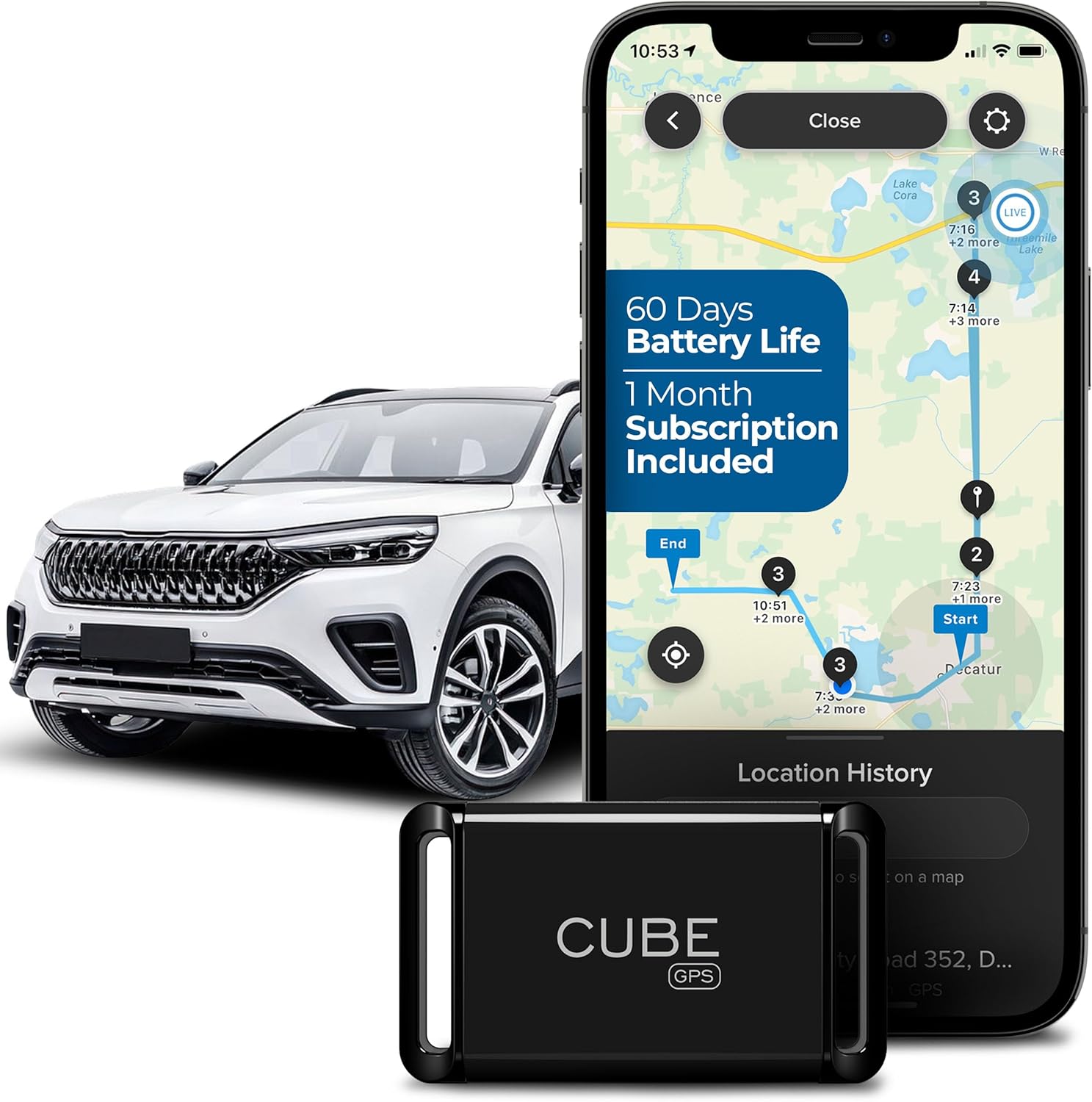
- Runs on 4G LTE with a worldwide SIM preinstalled, so a single $47.99 device tracks pets, vehicles, and bags alike.
- Geo-fencing triggers real-time alerts for zone exits, speeding, movement, and low battery, with an SOS button for emergencies.
- Location history is stored for up to 5 years in the app, useful for reviewing where a pet wandered over time.
Tractive Smart Cat GPS Tracker

- Sized for cats from 6.5 lbs up, it ships with a breakaway safety collar that releases if it snags on a fence or branch.
- Real-time tracking plus a Territory feature maps where your cat roams over each 24-hour period.
- Location History and a virtual fence alert you when your cat leaves the yard, all for a $24.50 device price.
Garmin Alpha 200i Dog Tracking Handheld

- Tracks up to 20 dogs or handhelds at ranges up to 9 miles over VHF radio, with position refreshing every 2.5 seconds.
- Built-in inReach satellite technology sends two-way text messages and an SOS even with zero cell coverage when paired with an active plan.
- The 3.6-inch sunlight-readable touchscreen stays visible in bright field conditions and runs preloaded TopoActive maps.
Garmin Astro 430 Dog Tracking Handheld

- Tracks up to 20 dogs at up to 9 miles over VHF radio with 2.5-second position updates and no cellular network needed.
- Charges no monthly subscription because it uses radio rather than LTE, unlike every cellular collar on this list.
- The 2.6-inch color screen and a 10,000-point track log suit long hunts and off-grid terrain.
I clipped each tracker to a 55-pound dog and a 9-pound cat over four weeks, staging yard escapes, neighborhood walks, and a rural drive to test range and update lag. I logged battery drain, geofence alert speed, and waterproofing, scoring devices before prices were revealed.
Buying Guide
Cellular GPS vs Radio and Bluetooth Tracking
The three technologies behind pet trackers solve different problems. Bluetooth tags like Tile and AirTag are short-range item finders that reach roughly 30 to 120 feet and rely on a crowd network for anything farther, so they cannot follow a fleeing dog in real time. Cellular GPS collars, including the Tractive DOG 6, Petcube, and Cube, combine satellite positioning with a 4G LTE modem to stream live coordinates from any distance with network coverage, which is why all three carry a data plan. Radio-and-satellite handhelds such as the Garmin Astro 430 and Alpha 200i skip cellular entirely, using VHF radio for up to 9 miles of line-of-sight tracking plus optional satellite messaging. For an escaped pet in a town or suburb, cellular wins on range and convenience. For hunting dogs ranging across forests with no cell signal, the radio handhelds win. Match the radio type to where your pet actually roams before comparing features.
Subscription Costs and What They Cover
Most cellular trackers are sold cheaply because the recurring plan carries the profit. Tractive plans start near $5 to $6 per month on multi-year terms and rise to about $9 month-to-month, covering live tracking, history, and health metrics. Petcube starts around $5 per month on a 2-year commitment, while the Cube tracker runs higher at roughly $16.50 per month on an annual plan because it targets vehicles and assets as well as pets. Budget the plan over 2 to 3 years, not just the sticker price: a $24.50 cat collar can cost $150 or more in data fees across its life. The Garmin Astro 430 flips this model with a one-time $599.99 purchase and zero monthly fee, since it tracks over radio. The Garmin Alpha 200i is a hybrid, free for local radio tracking but charging an inReach plan only if you want satellite SOS and messaging. Read the cancellation terms before you commit.
Live Update Speed, Range, and Geofencing
Update speed decides whether you watch a dog move or guess where it went. The Tractive DOG 6 refreshes live location every 2 to 3 seconds in tracking mode, and the Garmin handhelds push a new fix every 2.5 seconds, both fast enough to follow a sprinting animal. Slower default intervals on some collars save battery but lag behind a fast escape. Range depends on technology: cellular units track anywhere with LTE coverage, effectively unlimited in cities, while radio handhelds top out near 9 miles with clear line of sight. Geofencing is the safety net that matters most day to day. A virtual fence around your yard sends a phone alert within seconds when your pet crosses the boundary, and the Petcube and Tractive units let you draw multiple safe zones. Test the alert speed at home before relying on it, since trees, walls, and weak signal can delay notifications by a minute or more.
Battery Life and Charging
Battery life swings widely with how often a tracker reports its position. The Tractive DOG 6 lasts roughly 2 to 7 days per charge depending on live-tracking use, and the Tractive Smart Cat GPS holds about 5 days in its smaller body. The Petcube GPS Tracker leads the cellular group with up to 30 days in power-save mode, recharging fully in around 1 hour, which suits owners who forget nightly charging. Radio handhelds like the Garmin Astro 430 run about 20 hours of active tracking on a charge, enough for a full hunt day but needing a recharge overnight. Frequent live tracking, cold weather, and weak signal all drain batteries faster as the modem works harder to connect. Look for a low-battery alert in the app and a quick top-up time, and consider keeping a spare charging cable in the car for long trips so a dead collar never leaves you blind.
Waterproofing, Collar Fit, and Durability
Pets swim, roll in mud, and run through rain, so water resistance is not optional. The Tractive collars carry an IPX7 rating, meaning they survive submersion in up to 1 meter of water for 30 minutes, and the Petcube case is rated water and dust resistant for everyday weather. Garmin sporting collars are built to wade through creeks during a hunt. Fit matters just as much: a tracker that flops loosely can read inaccurate positions or snag, while one cinched too tight irritates the skin. Tractive units clip to collars up to about 1.1 inches wide and add roughly 30 grams, light enough for a medium dog but noticeable on a 6-pound cat, which is why the cat model uses a lighter breakaway collar that releases under pressure. Check the device weight against your pet's size, confirm the mount fits your existing collar width, and inspect the clip monthly so it never works loose mid-walk.
Matching a Tracker to Dogs, Cats, or Sporting Use
The right tracker depends on the animal and the terrain. For an indoor-outdoor cat, prioritize weight and a breakaway collar: the Tractive Smart Cat GPS at $24.50 stays under the size that bothers a 7-pound feline and releases if it catches on a fence. For a suburban dog that bolts the yard, a cellular collar with fast geofencing such as the Tractive DOG 6 or Petcube gives live tracking and escape alerts across town. Multi-pet households can add several collars to one app and follow each on the same map. Hunters and rural owners who range beyond cell coverage need the radio-based Garmin Astro 430 or the satellite-equipped Alpha 200i, both of which track up to 20 dogs at 9 miles without a cell signal. Health-focused owners should note that only the Tractive line reports heart and respiratory rate. Decide whether live location, off-grid range, or wellness data matters most, then let that single priority pick the device.
Frequently Asked Questions
What is the best GPS pet tracker in 2026?
The Tractive DOG 6 is our Best Overall pick at $79 plus a plan from about $5 per month, because it streams live location every 2 to 3 seconds with unlimited LTE range and adds heart rate, respiratory rate, and bark monitoring no rival matches. It is the most complete cellular collar for a typical dog. If your pet is a cat, the $24.50 Tractive Smart Cat GPS is the better fit thanks to its lighter breakaway collar and 5-day battery. Hunters and rural owners who range beyond cell coverage should instead choose the Garmin Astro 430 at $599.99, which tracks up to 20 dogs at 9 miles over radio with no monthly fee. There is no single winner for every situation: the right tracker depends on whether you need live cellular tracking, off-grid radio range, or detailed health data from a collar.
Do GPS pet trackers require a monthly subscription?
Most cellular GPS trackers do require a subscription, because they send location data over a 4G LTE network that charges for connectivity. Tractive plans start near $5 to $6 per month on a multi-year term, Petcube starts around $5 per month on a 2-year plan, and the Cube tracker runs about $16.50 per month on an annual plan. Without an active plan, these collars stop reporting location entirely, so factor 2 to 3 years of fees into the true cost. There is one major exception: radio-based handhelds. The Garmin Astro 430 charges no monthly subscription at all because it tracks dogs over VHF radio rather than cellular, making its one-time $599.99 price the entire cost. The Garmin Alpha 200i is free for local radio tracking but adds an optional inReach plan only if you want satellite messaging and SOS in areas with no cell coverage.
How is a GPS tracker different from an AirTag or Tile?
A GPS pet tracker and a Bluetooth tag solve different problems, so the distinction matters before you buy. Bluetooth tags like Apple AirTag and Tile are short-range item finders with a direct range of roughly 30 to 120 feet; beyond that they depend on nearby phones in a crowd network to relay a location, which can take minutes or never update in a quiet rural area. They cannot show a pet moving in real time. A cellular GPS tracker such as the Tractive DOG 6 carries its own satellite receiver and 4G modem, so it reports live coordinates every few seconds from any distance with network coverage, plus geofencing and escape alerts a tag lacks. The tradeoff is cost: tags are a one-time purchase near $25 to $35 with no fees, while GPS collars add a monthly plan. For finding a dropped collar around the house a tag suffices, but for recovering a lost pet a GPS tracker is the safer tool.
What is the best GPS tracker for cats?
The Tractive Smart Cat GPS is our top cat pick at a $24.50 device price, because it is engineered for the constraints that matter for felines. It ships with a breakaway safety collar that releases under pressure so a cat cannot be caught on a fence or branch, and the unit is sized for cats from 6.5 lbs up rather than a bulky dog body. Real-time tracking and a Territory map show where your cat roams over each 24-hour window, while a virtual fence alerts you when it leaves the yard. Battery life is about 5 days per charge, shorter than a dog collar but reasonable for a smaller device, so plan to recharge roughly once a week. Like other cellular trackers it needs a plan from around $5 per month. Avoid heavy dog-focused collars for cats, since added weight strains the neck and can throw off position accuracy on a small animal.
How accurate is real-time GPS pet tracking?
Modern GPS pet trackers are typically accurate to within about 3 to 10 meters in open conditions, close enough to walk straight to a pet in a field or backyard. Accuracy comes from the same satellite system that powers car navigation, which the United States government specifies to within roughly 3 meters horizontally for civilian receivers under open sky. Real-world accuracy degrades near tall buildings, dense tree cover, or indoors, where signals bounce or weaken and the reported position can drift by 20 meters or more. Update speed also shapes how useful the location feels: a collar refreshing every 2 to 3 seconds, like the Tractive DOG 6, tracks a moving animal far better than one reporting every few minutes. To improve reliability, keep the device firmware current, mount the tracker facing upward on the collar for a clearer sky view, and expect a brief delay when a pet moves from open ground into a covered or built-up area.
How long do GPS pet tracker batteries last?
Battery life ranges from a few days to a month depending on the technology and how often the tracker reports. The Tractive DOG 6 lasts roughly 2 to 7 days per charge based on live-tracking use, and the smaller Tractive Smart Cat GPS holds about 5 days. The Petcube GPS Tracker leads the cellular group with up to 30 days in power-save mode and a full recharge in around 1 hour. Radio handhelds like the Garmin Astro 430 run about 20 hours of active tracking, enough for a full hunt day before an overnight charge. Three factors drain batteries fastest: frequent live tracking, weak cellular signal that forces the modem to work harder, and cold weather. To extend run time, lower the update frequency when live tracking is not needed, enable any power-save mode, and keep a charging cable handy. Always watch for the app low-battery alert so a dead collar never leaves you without a location.
Are GPS pet trackers waterproof and safe for the collar?
Most quality GPS pet trackers are waterproof, but the rating varies, so check the specification before letting a pet swim. The Tractive collars carry an IPX7 rating, meaning they withstand submersion in up to 1 meter of water for 30 minutes, and the Petcube case is rated water and dust resistant for rain and mud. Garmin sporting collars are built to wade through creeks during hunts. Safety also depends on fit and weight: a Tractive unit adds about 30 grams, light for a medium dog but more noticeable on a 6-pound cat, which is why the cat model uses a lighter breakaway collar that releases under pressure to prevent choking or snagging. Mount the tracker snugly enough that it does not flop, but loose enough to slide 2 fingers under the collar. Inspect the clip and strap monthly for wear, and remove a heavy dog tracker before long swims if the rating is unclear.
Our Verdict
The Tractive DOG 6 is our Best Overall GPS pet tracker at $79 plus a plan from about $5 per month, combining 2-to-3-second live updates, unlimited LTE range, and heart, respiratory, and bark monitoring in one collar. Cat owners get more for less with the $24.50 Tractive Smart Cat GPS and its breakaway collar, while the Petcube GPS Tracker at $49.99 wins on battery with up to 30 days per charge. Hunters and off-grid owners should skip cellular entirely for the Garmin Astro 430 at $599.99, which tracks 20 dogs at 9 miles over radio with no monthly fee. Match the technology to where your pet roams, then budget the subscription before buying.
Sources
- GPS Accuracy — U.S. Government (GPS.gov)
- Microchipping of Animals — American Veterinary Medical Association
- Mobile Coverage Maps — Federal Communications Commission