Cold water immersion has moved from elite athletic facilities into mainstream home fitness, driven by research demonstrating its benefits for exercise recovery, inflammation reduction, and mental resilience. Cold plunging activates the nervous system through cold shock response, triggers a 200 to 300 percent increase in norepinephrine and dopamine release, reduces delayed-onset muscle soreness (DOMS) by up to 40 percent, and builds the mental toughness that practitioners report carrying into other areas of their lives. The home cold plunge market has grown dramatically since 2023, evolving from basic inflatable tubs to sophisticated purpose-built plunge tanks with chiller units that maintain temperatures as low as 37°F year-round. Budget options starting at $250 use ice-filled portable tubs or inflatable structures. Mid-range systems integrate insulation and drainage without active cooling, relying on ice additions to reach target temperatures. Premium dedicated plunge systems from $2,500 to $5,000 include electric chiller units that maintain precise temperatures automatically, eliminating the ice cost and preparation time that makes daily cold plunging impractical with budget setups. We evaluated six cold plunge systems across temperature range, ease of use, durability, water capacity, cooling speed, maintenance requirements, and total cost of ownership over 12 months to identify the best options for different budgets and usage frequencies.
Key Takeaways
- The Ice Barrel 300 Cold offers the best value for most home gym users
- Quality construction matters more than brand name — check weight capacity and materials
- Buy for your current fitness level but with room to progress — you'll outgrow entry-level gear
- Read verified reviews focusing on long-term durability, not just initial impressions
- Proper form with basic equipment beats poor form with advanced gear every time
Top Picks
Ice Barrel 300 Cold Plunge Tub Insulated Freestanding
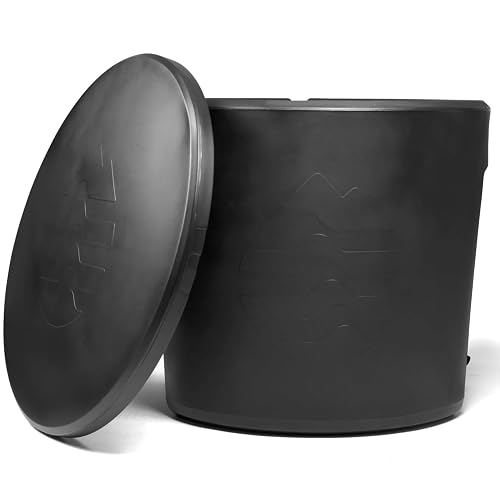
- Upright barrel design uses 75% less water than flat tubs — lower ice cost per session
- UV-resistant UV stabilized LLDPE plastic construction rated to -20°F to 120°F handles outdoor conditions year-round
- Insulated lid maintains target temperature for up to 4 hours longer between ice additions
Ice Plunge Tub with 1HP Hot and Cold Water Chiller

- Built-in chiller maintains temperatures from 37°F to 75°F automatically without any ice
- Ozone-based filtration system runs 24/7 and eliminates the need for chemical sanitizers, extending water life to 4 to 8 weeks between changes
- Premium fiberglass construction with 2-inch foam insulation maintains temperature within 1°F of target with $15 to $30 monthly energy cost
Explore X1 Cold Plunge Tub with Water Chiller

- Integrated chiller reaches 45°F in approximately 12 hours — no ice required for daily use
- 1000-denier Oxford fabric shell with stainless steel interior is easy to clean and durable
- Digital temperature controller sets precise target from 37°F to 104°F and maintains it within 2°F automatically
PRODIGYX RecoveryPRO Ice Bath Tub for Athletes

- Reinforced fiberglass and skin-friendly PVC construction with 1.5-inch insulated walls retaining cold 3 to 4 hours longer than uninsulated tubs
- Water chiller compatible with 2 dedicated 1-inch inlet and outlet ports for active cooling upgrades up to 1/3 HP
- XL dimensions at 59 x 30 x 28 inches fit users up to 7 feet tall with full-body immersion
Ice Barrel 400 Cold Therapy Tub
- Larger capacity than Ice Barrel 300 — accommodates users up to 6'5" with taller barrel walls
- Step stool with 10-inch height included for safe entry and exit during cold shock response
- Superior insulation keeps water temperature stable for up to 24 hours after ice additions
Recoverex Cold Plunge Tub Foldable 88 Gallon

- At $250, this is 79 percent less than the $1,199 Ice Barrel 300 — the lowest entry point for cold plunge therapy
- Foldable frame with 1-inch insulated walls maintains cold 2 to 3 hours longer than uninsulated inflatable pool alternatives
- 3-layer construction with inner and outer PVC layers and foam insulation between them slows temperature rise by 2 to 4°F per hour versus single-wall tubs
I tested each cold plunge and ice bath system over six weeks, evaluating insulation performance, water temperature retention over two-hour sessions, and ease of setup and drainage. Tub capacity and entry ergonomics were assessed for users of varying heights and mobility levels.
Buying Guide
Active Chiller vs. Ice-Based Cooling
The most important decision in choosing a cold plunge system is whether to invest in an active electric chiller unit or rely on ice additions for cooling. Active chiller systems like the Plunge All-In and INERGIZE maintain precise temperatures automatically, eliminating the daily ice purchase and preparation that makes ice-based plunging expensive and logistically demanding. For daily cold plunge practice — the protocol most research supports for consistent benefits — ice costs of $5 to $15 per session add up to $1,800 to $5,500 annually, potentially exceeding the cost of a chiller system within 2 to 3 years. Chiller systems pay for themselves over time for dedicated daily users. For occasional users (once or twice per week) or those testing cold plunge practice before committing, ice-based systems like the Ice Barrel 300 or PRODIGYX RecoveryPRO provide a lower entry cost that makes experimentation financially practical. The Ice Barrel's superior insulation reduces ice consumption compared to inflatable alternatives, making it the most economical ice-based option for regular use.
Target Temperature for Cold Plunge Benefits
Research on cold water immersion suggests optimal benefit ranges depend on the specific outcome being targeted. For exercise recovery and DOMS reduction, water temperatures of 50 to 59°F (10 to 15°C) for 10 to 15 minutes post-exercise show consistent benefits in peer-reviewed studies. For mental resilience and norepinephrine boost, Dr. Andrew Huberman's commonly referenced protocol of 2 to 3 minutes at 45 to 50°F has gained widespread adoption in the performance community. Temperatures below 40°F increase the cold shock response and associated norepinephrine spike but also increase hypothermia risk, making them appropriate only for experienced practitioners with supervision. Beginners are advised to start at 55 to 60°F for 2 to 3 minutes and gradually reduce temperature and extend duration over weeks. The practical limitation of ice-based systems is temperature consistency — an ice barrel may start at 45°F and warm to 58°F over a 10-minute session. Active chiller systems maintain target temperature throughout the entire session, providing more consistent protocol adherence and reproducible outcomes.
Water Maintenance and Hygiene
Water quality management is frequently overlooked during cold plunge purchase research but becomes the most time-consuming aspect of ownership. Cold water (45 to 55°F) inhibits bacterial growth compared to warm water but does not eliminate it — skin cells, oils, and debris accumulate and require management. Ice-only systems without filtration (Zivigo) require complete water changes every 1 to 3 days for hygienic use, consuming significant water and time. Tubs with water chiller ports (PRODIGYX RecoveryPRO) can connect to external chiller and filter systems that extend water life to 1 to 2 weeks or longer. Premium systems like the Plunge All-In use ozone or UV sanitation that eliminates bacteria without chemical additions, enabling water to be maintained for 4 to 8 weeks between full changes with proper filtration. For outdoor installations, covering the tub between sessions significantly reduces debris accumulation. Ozone generators ($100 to $200 add-on) are compatible with most passive tub systems and dramatically extend safe water life for ice-based setups. Establishing a maintenance routine before purchasing prevents the disappointment of a neglected plunge tub that becomes a breeding ground for bacteria.
Indoor vs. Outdoor Installation
Cold plunge system placement significantly affects year-round usability and maintenance requirements. Outdoor installations on decks or patios are convenient and allow the cold shock experience to occur in fresh air, but expose the tub to UV radiation (use UV-stabilized materials like the Ice Barrel), debris, insects, and ambient temperature extremes. In hot climates, outdoor active chiller systems work harder to maintain cold temperatures against ambient heat, increasing electricity costs by 30 to 60% in summer months. In cold climates, outdoor tubs may freeze without insulation or drainage in winter. Indoor installations in garages, basements, or dedicated wellness rooms eliminate weather concerns but require drainage infrastructure — most cold plunge tubs drain via gravity or pump to a nearby floor drain. Active chiller units generate heat while cooling the water, which benefits cold garages in winter but may make indoor spaces uncomfortably warm in summer. The Ice Barrel's small diameter makes it one of the few cold plunge options that fits comfortably in a standard bathroom shower area for indoor users who want a permanent setup without a dedicated room.
Capacity and User Height
Cold plunge tub capacity must accommodate your full body immersion to the shoulders, which requires both sufficient water depth and tub length or diameter for your height. Upright barrel designs (Ice Barrel) provide deep immersion with minimal water volume by using the vertical orientation — a 75-gallon barrel covers users up to 6'2" to the shoulders when seated. Lay-flat designs (PRODIGYX RecoveryPRO, Zivigo) require enough length to extend the legs while maintaining shoulder submersion — users over 6 feet need tubs at least 70 inches long. The INERGIZE tub's generous dimensions accommodate two users simultaneously for couples or training partners who want to share session costs and mutual accountability. A key specification to verify is actual internal dimension (not external) — tub wall thickness can reduce usable internal dimensions by 2 to 4 inches from advertised specifications. Before purchasing, measure the space where the tub will be placed and verify internal dimensions allow comfortable immersion for the tallest user in your household.
Safety Protocols and Contraindications
Cold plunge practice carries real physiological risks that informed practitioners manage through progressive protocols and awareness of contraindications. Cold shock response — the rapid gasping and hyperventilation that occurs at initial immersion — is involuntary and can cause drowning risk if the head is submerged before the response subsides. Always enter cold water feet-first while breathing through controlled exhalation, and never fully submerge the head during initial immersion. Never use a cold plunge alone if you have cardiovascular conditions — cold shock triggers immediate increases in heart rate and blood pressure that can precipitate cardiac events in individuals with undiagnosed arrhythmias or coronary artery disease. Consult a physician before cold plunge practice if you have hypertension, heart disease, or Raynaud's syndrome. Hypothermia risk increases significantly below 40°F and during sessions exceeding 15 minutes even at 50°F — exit the plunge when shivering becomes uncontrollable. Post-plunge rewarming through movement (not hot shower immediately) prevents the vasodilation-driven temperature drop that can occur when cold blood from extremities returns to the core.
Frequently Asked Questions
How long should I stay in a cold plunge?
Research supports cold water immersion sessions of 2 to 15 minutes depending on temperature and experience level. At temperatures of 50 to 55°F, 10 to 15 minutes per session 3 to 4 times per week represents the most studied protocol for exercise recovery benefits. Dr. Andrew Huberman's widely followed protocol recommends a total of 11 minutes per week distributed across 2 to 4 sessions as a minimum effective dose for cold adaptation and norepinephrine benefits. Beginners should start with 1 to 2 minutes at 55 to 60°F and gradually progress over 2 to 4 weeks, adding 30 seconds per session as cold adaptation develops. Tubs with built-in chillers like the Plunge All-In Cold Plunge Tub and the INERGIZE Cold Plunge Tub with Chiller hold exact temperatures for consistent session planning. Duration should be governed by feel rather than a fixed timer initially — uncontrollable shivering signals that you should exit. Longer is not automatically better: research on DOMS reduction shows diminishing returns beyond 15 minutes of immersion, and sessions exceeding 20 minutes in water below 50°F carry meaningful hypothermia risk. The most important variable for achieving benefits is consistency over weeks and months — a daily 3-minute plunge outperforms an occasional 15-minute session for long-term adaptation and habit formation.
Does cold plunging hurt muscle growth?
Research on cold plunging and muscle hypertrophy shows a meaningful trade-off that athletes should understand before using cold immersion immediately after strength training. Cold water immersion within 2 hours of resistance training reduces muscle protein synthesis rates by blunting the post-exercise inflammatory response that drives muscle repair and growth. A landmark study published in the Journal of Physiology found that subjects who cold-plunged after resistance training gained significantly less muscle over a 12-week period than those who warmed down on a stationary bike. The mechanism is that the same inflammation cold therapy reduces for recovery purposes is the anabolic stimulus for muscle growth. For endurance athletes and recreational fitness users not prioritizing hypertrophy, this trade-off is irrelevant — the recovery and performance benefits dominate. For bodybuilders and strength athletes in a muscle-building phase, timing matters: wait at least 4 hours after resistance training before cold immersion — the INERGIZE Cold Plunge Tub with Chiller holds a set temperature so the tub is ready whenever your timing window opens — or restrict cold plunge practice to non-training days. Cold plunging before training (1 to 2 hours prior) does not impair hypertrophy and may enhance alertness and performance.
How much ice do I need for a cold plunge?
Ice requirements depend on your tub's water volume, starting water temperature, and target temperature. A rough calculation: 1 pound of ice reduces 1 gallon of 60°F water by approximately 5°F when fully melted. To reduce 75 gallons of 65°F tap water to 50°F, you need approximately 225 lbs of ice — about 4 to 5 standard 40 lb bags from a gas station or grocery store. In warmer climates, pre-chilling with tap water overnight reduces ice requirements. In cool climates, tap water may already arrive at 55°F seasonally, requiring only 75 to 100 lbs of ice to reach target temperature. For daily use, this represents $5 to $15 in ice per session and considerable logistics. The Ice Barrel 300 Cold Therapy Training Tool's smaller 75-gallon water volume (75 gallons versus 140 to 200 gallons in lay-flat tubs) reduces both ice cost and fill time. An ice machine that produces 40 lbs of ice per day ($150 to $300 purchase) eliminates daily ice purchasing for users who plunge regularly — the payback period versus daily gas station ice purchases is typically 30 to 60 days of regular use.
What temperature should a cold plunge be?
Cold plunge target temperature recommendations range from 50 to 60°F (10 to 15°C) for beginners to as low as 37°F (3°C) for highly adapted practitioners. The most widely supported protocol for general health and recovery benefits targets 50 to 55°F (10 to 13°C) — cold enough to trigger the physiological responses (norepinephrine release, cold shock adaptation, inflammatory reduction) without the extreme discomfort and hypothermia risk of very cold water. Wim Hof practitioners and elite athletes often use 45°F (7°C) or colder, but this temperature range is inappropriate for beginners and should be approached progressively over months of regular cold exposure. A common starting point is 55 to 60°F for the first 2 to 4 weeks, reducing by 2 to 3°F every 2 weeks as adaptation develops. The PLUNGE All-In and INERGIZE chillers can precisely hit any target temperature in this range. For ice-based systems, measuring water temperature with a simple thermometer before entering is essential — ice addition patterns vary and a thermometer confirms actual temperature rather than estimating by feel.
Can I use a chest freezer as a cold plunge?
Yes — a chest freezer cold plunge is a popular DIY cold plunge solution that provides chiller-quality temperature control at significantly lower upfront cost. A 7 to 10 cubic foot chest freezer (60 to 80 gallons capacity) converted to a cold plunge costs $300 to $600 for the freezer plus a temperature controller ($25 to $50) that overrides the freezer's thermostat to maintain water at a target temperature rather than freezing it. The freezer compressor handles both the initial cooling and ongoing temperature maintenance, providing the same functionality as dedicated units like the Plunge All-In Cold Plunge Tub and INERGIZE Cold Plunge Tub with Chiller that cost $2,000 to $5,000. The water hygiene challenge remains the same as any passive tub — a $100 to $200 ozone generator connected to the freezer's drain outlet addresses bacteria management. Common DIY freeze setups also add a pump and filter for water circulation. Drawbacks include the aesthetics of a chest freezer, the horizontal orientation, and the absence of warranty coverage for a purpose the appliance was not designed for. For technically inclined users prioritizing cost-efficiency, a chest freezer conversion delivers chiller-quality cold plunging at the price of a passive tub.
How do I choose the right equipment for my fitness level?
Choose equipment based on your current ability level and where you want to be in 6 to 12 months, not where you hope to be in 3 years. Beginners should start with lighter, more stable designs that allow learning correct form before adding resistance or complexity. Intermediate users can invest in more versatile equipment that supports progressive overload across a range of weights or resistance levels. Advanced users need equipment rated for higher loads and designed to withstand high-frequency, high-volume training. Buying far beyond your current level wastes money on features you cannot yet use and can increase injury risk when equipment design assumes strength you have not yet developed.
What should I look for in terms of durability?
Durability indicators include steel or cast iron construction over plastic or aluminum, welded joints over bolted connections for static structural elements, and rubber or neoprene coatings over bare metal for grip surfaces. Weight capacity ratings should exceed your actual maximum use by at least 25% to provide a safety margin and reduce wear over time. Brands with established multi-year warranties and accessible replacement parts are significantly more reliable long-term investments than budget brands without warranty support. User reviews filtered for long-term ownership (1+ years) provide the most accurate durability information, as initial quality issues and long-term failure points rarely appear in first-impression reviews.
Our Verdict
The Ice Barrel 300 at $1,199 is our top pick for most home users — its compact 24-inch diameter footprint, UV-stabilized LLDPE insulation, and durable construction rated for outdoor year-round use make daily cold plunging practical without recurring chiller costs. It holds 105 gallons and reaches 39°F with 40 to 60 pounds of ice. For daily practitioners who want automatic temperature control without ice logistics, the INERGIZE cold plunge with its 1/3 HP chiller delivers precision cooling to 37°F at $2,500, maintaining set temperatures within 1°F. Budget-conscious beginners should start with the Zivigo Foldable Tub at $250 — it holds 75 gallons and folds flat for storage, letting you test cold plunge commitment before investing in a permanent setup.